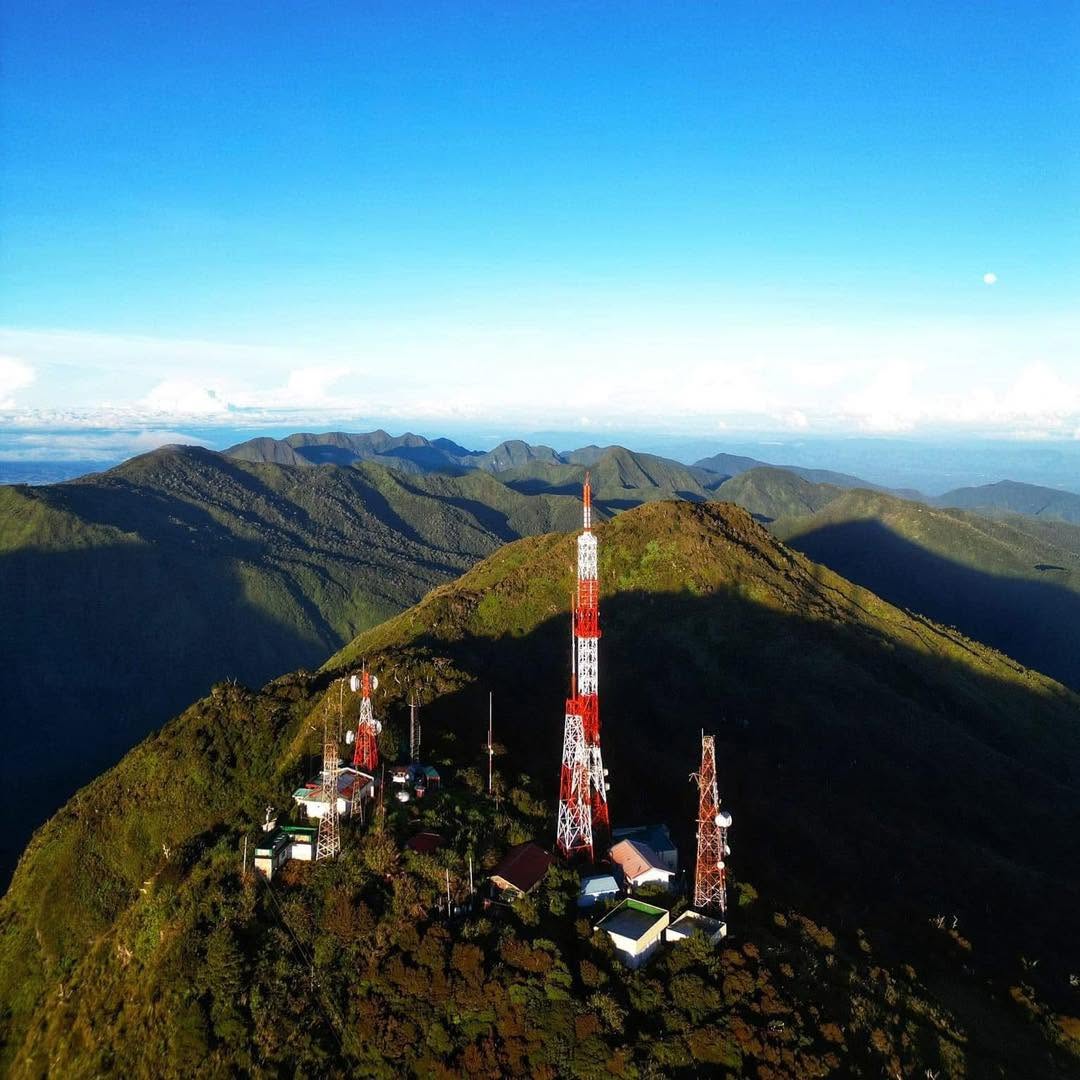
If you’ve ever looked up at the mountains framing Bukidnon’s plateau and felt like they seemed bigger than they should be — you’re not wrong. The province sits on one of the most remarkable concentrations of elevation in the country. Three of the five highest mountains in the Philippines are right here: Mt. Dulang-Dulang, Mt. Kitanglad, and Mt. Kalatungan. Here’s where all five rank, and what makes the Bukidnon trio worth the trek.
1. Mt. Apo — Davao del Sur / North Cotabato | 1st Highest
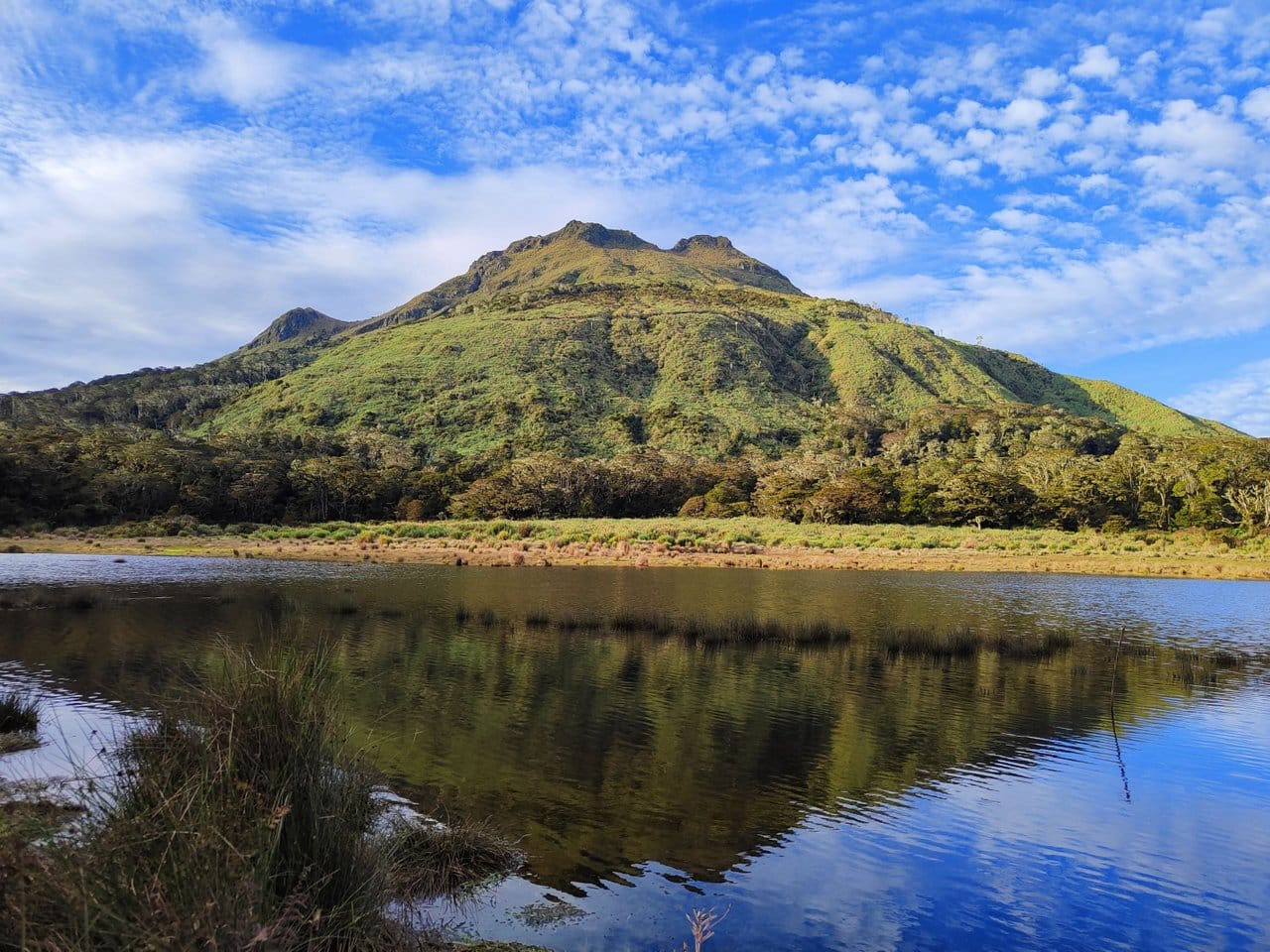
Mt. Apo towers over the Davao region at 2,954 meters above sea level, making it the highest peak in the Philippines. It’s also one of the most climbed — with trails like the Kidapawan and Kapatagan routes drawing mountaineers year-round. The mountain is a protected area and one of the most famous habitats of the Philippine Eagle. A full summit attempt takes two to three days. The dry season — December to March — is the recommended window. Bukidnon doesn’t have Mt. Apo, but it has everything right below it on this list.
2. Mt. Dulang-Dulang — Lantapan, Bukidnon | 2nd Highest
Mt. Dulang-Dulang stands at 2,938 meters — just 16 meters below Mt. Apo — making it the second highest peak in the Philippines. Mountaineers have nicknamed it u201cD2u201d (Second Dominant), which tells you everything about the respect it commands. The mountain sits inside the Kitanglad Mountain Range in Lantapan, Bukidnon, and is the sacred home of the Talaandig people — a fact that shapes how you access it. You enter through Brgy. Songco in Lantapan, and before the climb begins, a local Datu performs a ritual to ask for the mountain’s blessing and the safety of your group. The trail is dense with mossy old-growth forest, endemic wildlife like flying lemurs and wild boars, and the kind of silence that only a true wilderness can offer. From the peak on a clear day, you can see Mt. Apo in the distance. Budget at least two days, bring warm layers, and go with a guide. The dry season window is November to May.
3. Mt. Pulag — Benguet, Luzon | 3rd Highest
Mt. Pulag in Benguet rises to 2,922 meters and is the highest point in Luzon. It’s famous for one thing above almost everything else: the sea of clouds that rolls in at sunrise, turning the summit into something that looks more like a dreamscape than a Philippine mountain. It’s a bucket-list hike for many Filipino mountaineers, and three trails — Ambangeg, Trawangan, and Akiki — offer different levels of difficulty. Ambangeg is the most beginner-accessible. Best months are November to February. This one is worth a special trip to Luzon if you haven’t been.
4. Mt. Kitanglad — Impasugong / Lantapan, Bukidnon | 4th Highest
Mt. Kitanglad reaches 2,899 meters and is the fourth highest mountain in the Philippines. It’s also one of the most ecologically significant peaks in the country. The Kitanglad Mountain Range was recognized as an ASEAN Heritage Park in 2009 and serves as the ancestral domain of the Bukidnon, Higaonon, and Talaandig peoples. The mountain is home to the Philippine Eagle, the Rafflesia schadenbergiana (the world’s second largest flower), and two endemic rodent species found nowhere else on earth. The trail is steep the entire way up — the difficulty is rated 6/9, with trail classes between 2 and 4 — which means this is a climb for experienced mountaineers, not a casual weekend trip. Permits are required, local guides are mandatory, and the communities at the base take conservation seriously. Come prepared, come respectful, and the mountain will reward you.
5. Mt. Kalatungan — Pangantucan, Bukidnon | 5th Highest
Mt. Kalatungan stands at 2,860 meters and is classified as a potentially active stratovolcano. It’s also officially an Indigenous and Community Conserved Area (ICCA) — the mountain belongs to the Manobo and Talaandig peoples, and their law governs who enters and how. Before you can begin the ascent, a ritual sacrifice of a live chicken is performed, and permission from the tribal elders is required. Permits must be secured from the DOT office in Pangantucan, and drinking alcohol on the mountain is strictly prohibited — violations can result in a permanent ban. Seasoned mountaineers consistently describe Kalatungan as one of the most difficult climbs in the country, not just for the terrain but for the multi-day commitment it demands. The trail cuts through pristine mossy forest, and the journey to the summit takes roughly six to eight hours of trekking. Best climbed during the dry months, March to May. If you’ve done Kitanglad and Dulang-Dulang and want to complete the Bukidnon trilogy, this is the one that earns the bragging rights.
Three of the five highest mountains in the Philippines are in one province — and that’s not a coincidence. Bukidnon’s geography, its protected ranges, and its indigenous communities have kept these mountains in the shape they’re in. If you’re planning to climb any of them, the most important thing to carry isn’t gear — it’s respect. Get your permits, follow the traditions, hire local guides, and tread lightly. Whether you start with Dulang-Dulang, Kitanglad, Kalatungan, or all three, you’re stepping into some of the most remarkable terrain the Philippines has to offer — and a lot of it is right here in Bukidnon.